Understanding Project Costs Before Construction
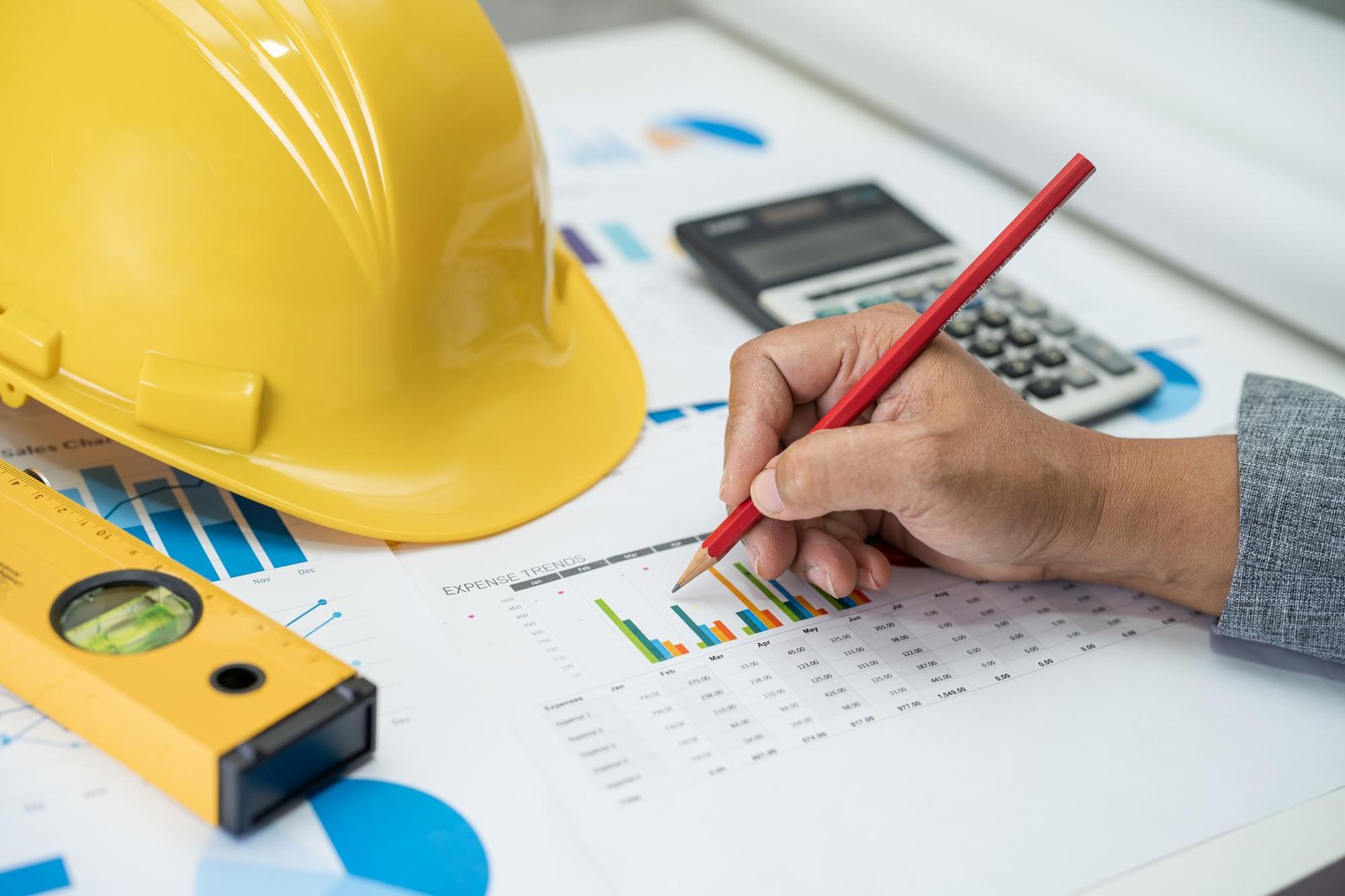
Budgeting in pre-construction involves developing preliminary cost estimates using available drawings, scope definitions, and known project constraints. Costs are organized by trade and major work areas, with allowances included where details are still being finalized. Material lead times, procurement strategy, and installation sequencing are considered so early cost decisions align with how the project is expected to be built.
If you need early cost visibility to support design or investment decisions, we provide budgeting support that helps establish a realistic cost framework before construction begins.
OUR SERVICES
We provide Pre- construction, Project management, and investment services that support every stage of development.
Planning & Scheduling
Project timelines are mapped out in advance to reflect real sequencing, inspections, and material lead times.
Budgeting
Early cost planning is completed to confirm scope alignment and avoid surprises once construction begins.
Tendering
Clear tender packages are prepared and issued so trade pricing is comparable, complete, and aligned before contracts are awarded.
Permit Application
Permit requirements are coordinated early so approvals do not delay construction start dates.
Project Management
Day-to-day construction activities are coordinated to keep scope, schedule, and communication aligned on site.
Budget Management
Construction costs are tracked against approved budgets to maintain visibility as work progresses.
Architectural Coordination
Architectural information is reviewed and coordinated so drawings reflect site conditions and construction sequence.
Engineering Coordination
Engineering disciplines are aligned to reduce conflicts and support efficient installation during construction.
Trade Coordination & Contracting
Trades are scheduled, scoped, and coordinated to support smooth handoffs and steady site progress.
Engineering Design & Site Review
Engineering decisions are reviewed alongside site conditions to confirm constructability and compliance.
Architectural Design & Drawings
Drawings are prepared and reviewed to provide clear, build-ready documentation for permitting and construction.
Interior Design & FF&E
Interior layouts and selections are reviewed to support function, durability, and coordination with construction.
Restaurants
Restaurant projects are planned and delivered with attention to approvals, kitchen requirements, and opening readiness.
Retail
Retail developments are structured to support tenant turnover, visibility, and efficient build-outs.
House Builds
Residential builds are guided from planning through completion with a focus on approvals, sequencing, and quality.
Rentals
Rental projects are delivered with repeatable layouts and controlled timelines to support long-term use.
Multifamily
Multifamily developments are coordinated to manage scale, consistency, and phased delivery across units.
OUR PROJECTS
Why Choose Novesta
We deliver lasting spaces through organized planning, skilled execution, and attention to every construction detail.
Pre-Construction
We plan every detail so your project is ready to start without delays or surprises.
Construction Management
We handle coordination and scheduling to keep every phase organized and on time.
Project Estimating
We offer clear cost assessments to support practical and informed planning.
Development Support
We take care of permits and preparation so your project moves forward without setbacks.
OUR Team
A group of builders, managers, and estimators focused on practical results.
Basic information
We’re available to discuss your next project or answer any questions about our services. Reach out by phone, email, or visit our Edmonton office for direct assistance.
- (780)-244-1144
- info@novesta.ca
- #406, 10216 124 St. NW Edmonton, AB T5N 4A3
Budgeting establishes a clear financial framework before and during construction, allowing project decisions to be made with accurate cost visibility. A well-prepared budget helps identify major cost drivers early, align scope with available capital, and reduce the risk of unplanned overruns as the project progresses.
Accurate budgets are prepared by reviewing defined scope, preliminary drawings, and current market pricing. This includes quantity reviews, trade input, allowances, permit-related costs, and long-lead items. Early validation of pricing assumptions helps ensure the budget reflects real construction conditions rather than estimates alone.

Yes. Cost tracking during construction typically includes monitoring committed costs, progress claims, and approved changes against the original budget. Regular reporting helps maintain financial clarity and allows adjustments to be made based on current project conditions.

When unexpected costs occur, the issue is reviewed to understand the cause, potential impact, and available options. This may include evaluating scope adjustments, sequencing changes, or alternate solutions so informed decisions can be made before costs escalate further.
Budgeting and scheduling are closely linked. A realistic budget supports timely procurement, trade engagement, and resource availability. When costs are aligned with the construction sequence, projects are less likely to experience delays caused by funding gaps, rework, or last-minute changes.